It’s what I call a “cancer cliché”. It’s the politically correct and easy answer to a very loaded question, How’s Joe?
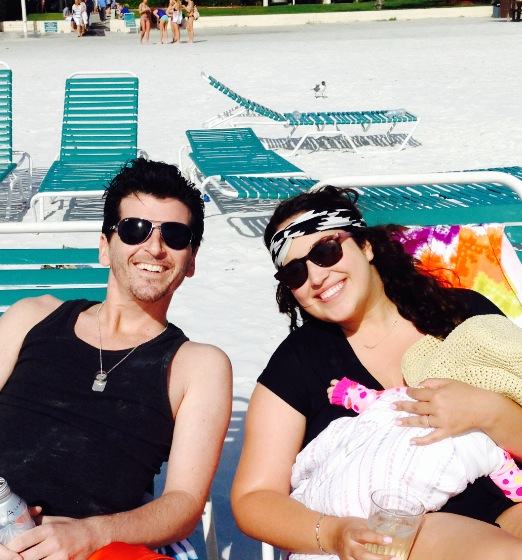
It’s the truth in a few words. There are good days and there are bad. He’s handling chemotherapy better than we would have thought and that is good. He usually can’t get out of bed most mornings, so that is bad. We can take a few hours at the beach= good. We have to go home because his hips hurt from the drive= bad. So, “there are good days and bad,” seems to cover it (in a quick elevator conversation).
“New normal” is on the same list. This line is intended to provide people with some type of comfort when their world has been turned upside down. I remember a dear friend telling me she’d been given that same advice soon after her dad died. ‘I guess this is our new normal’, she said to me with tears in her eyes
But it’s never “normal”. You can never see your husband curled into a ball in pain and say, ‘Oh, well, this is our normal’. There is nothing normal about your bathroom closet being taken over with medical supplies. There is nothing normal about a bag attached to a stomach, and the mess it makes to replace it. I’d rather call it shitty , and just be honest.
So, I guess there are good days and bad. It’s all part of our new, shitty normal?
A list of words and catch phrases become familiar to cancer patients. The one I hate the most is, caregiver. Yes, there are caregiver support groups and caregiver classes. I remember the first time I heard it. When a doctor asked, “Will you be his caregiver?” EXCUSE ME?!?!? Do caregivers wear gold glitter headbands? I don’t think so.
I refuse to be the caregiver.
And just so you know, you really should worry about who your ‘caregiver’ is. When we were in the hospital, I had to attend a caregiver class on how to manage Joe’s feeding tube. I sat around a table with what looked like a battered spouse club. We were all tired and overwhelmed, and suddenly told we needed to learn a new vocabulary of medical terms. We had to get comfortable with pumping food through a tube into someone’s stomach to keep them alive.
Joe should feel lucky he has me. I graduated top of the class. These other old people were clueless. One old man in a large brimmed cowboy hat asked the nurse if after giving his wife her feeding tube, would she still be able to cook his dinner? I wonder how that poor woman is doing?
There are three words that make me want to throw myself on the ground every time I hear them. “A living will.”
“Do you have a living will?” It’s a common question the nurses have to ask you every single time you check in.
- Still on the same meds?
- How’s your pain?
- Do you have everything ready for when you die? (cough, cough) A living will.
The answer is, no. No we don’t have a living will. It’s morbid and we just turned 30. Are you insane? That’s what I want to say, but I quietly bite my tongue while these simple words knock the wind out of me.
I guess I should write a cancer dictionary. Words you’ll hear, but don’t want to.
How is it being married to a cancer patient you ask? Let me tell you, there are good days and there are bad. There is shit (literal and figurative), and it’s all part of our normal. I am taking care of what I can, while trying not to be a caregiver. I do not have a living will yet. I’m simply trying to keep up the will to live.